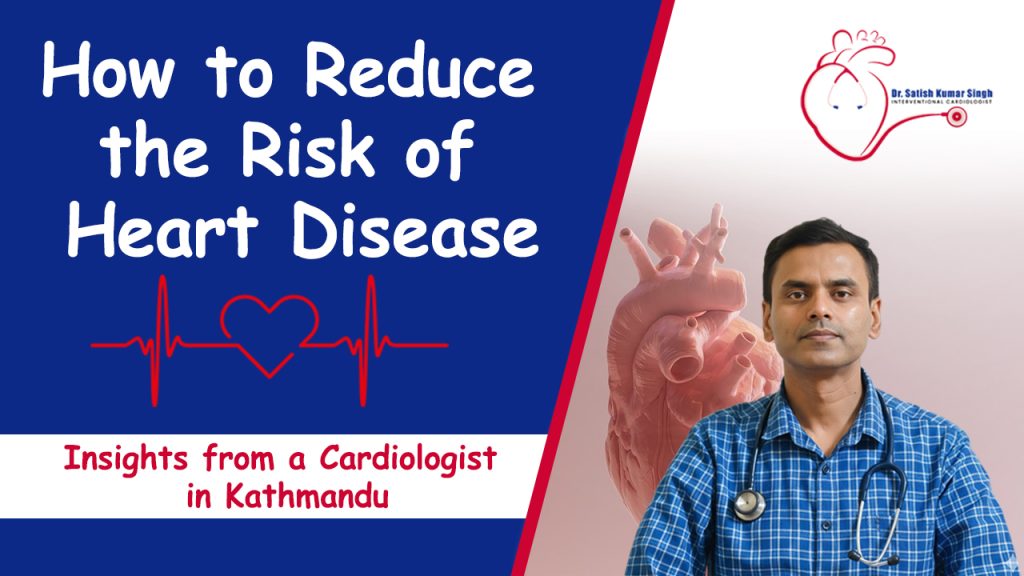
How to Reduce the Risk of Heart Disease: Insights from a Cardiologist in Kathmandu
Heart disease remains one of the leading health challenges worldwide, and South Asia is experiencing a rapid rise in cardiovascular conditions. However, the majority of heart disease cases are preventable with the right knowledge and lifestyle adjustments. Understanding risk factors early and adopting preventive strategies can significantly improve long-term heart health. This guide explains how to reduce the risk of heart disease through practical lifestyle changes, early detection, and medical monitoring. It also outlines when to consult a cardiologist in Kathmandu, and how guidance from a heart specialist in Nepal can help prevent serious cardiac complications before they develop. What Is Heart Disease? Heart disease refers to a group of conditions affecting the heart and blood vessels, including coronary artery disease, heart attacks, heart failure, and arrhythmias. Most cases develop gradually due to risk factors such as high blood pressure, unhealthy diet, lack of exercise, smoking, diabetes, and chronic stress. Why Heart Disease Risk Is Increasing Modern lifestyles have dramatically changed cardiovascular health patterns. Urbanization, sedentary routines, processed food consumption, and stress contribute to increased heart disease risk. In countries like Nepal, cardiologists are seeing younger patients with hypertension, obesity, and metabolic disorders. Several trends are driving this increase: These factors collectively damage blood vessels, increase cholesterol accumulation, and strain the heart over time. Key takeaway Heart disease rarely appears suddenly. It develops silently for years before symptoms occur. Major Risk Factors for Heart Disease Understanding risk factors is the first step toward prevention. Some risks can be controlled through lifestyle changes, while others require medical monitoring. 1. High Blood Pressure High blood pressure forces the heart to work harder and damages artery walls, increasing the risk of heart attack and stroke. 2. High Cholesterol Excess LDL cholesterol can build up in arteries and restrict blood flow to the heart. 3. Diabetes People with diabetes have a significantly higher risk of cardiovascular disease because high blood sugar damages blood vessels. 4. Smoking Smoking narrows arteries, reduces oxygen supply, and increases the risk of blood clots. 5. Obesity Excess body weight is strongly associated with high blood pressure, diabetes, and elevated cholesterol. 6. Lack of Physical Activity A sedentary lifestyle weakens cardiovascular health and increases metabolic risk factors. Summary of Key Risk Factors Recognizing these risks early allows individuals to take preventive steps before serious complications occur. Lifestyle Changes That Reduce Heart Disease Risk Preventing heart disease requires consistent lifestyle habits rather than temporary changes. Even small adjustments can have a meaningful impact over time. 1. Adopt a Heart-Healthy Diet Diet plays a critical role in cardiovascular health. Focus on foods that support heart function: Reduce intake of: A balanced diet helps regulate blood pressure, cholesterol, and body weight. 2. Stay Physically Active Regular physical activity strengthens the heart muscle and improves circulation. Recommended activity levels: Even simple daily activities such as walking can significantly improve cardiovascular health. 3. Maintain a Healthy Weight Excess body fat increases strain on the heart and raises blood pressure. Maintaining a healthy weight can: A combination of a balanced diet and regular exercise is the most effective strategy. 4. Manage Stress Effectively Chronic stress contributes to high blood pressure and unhealthy coping habits such as smoking or overeating. Healthy stress management techniques include: 5. Quit Smoking and Limit Alcohol Smoking damages blood vessels and significantly increases the risk of heart attacks. Quitting smoking is one of the most powerful steps for improving heart health. Alcohol consumption should also be limited, as excessive intake can increase blood pressure and lead to heart rhythm problems. Healthy vs Risky Lifestyle Habits Healthy Habits Risky Habits Balanced diet Processed food diet Regular exercise Sedentary lifestyle Stress management Chronic stress Healthy body weight Obesity Regular medical checkups Ignoring symptoms Non-smoking Smoking The long-term difference between these habits often determines whether cardiovascular disease develops later in life. Importance of Early Detection and Medical Screening Many heart conditions develop silently without noticeable symptoms. Regular screening helps detect problems early and prevent complications. Essential heart health tests include People with risk factors should consider regular evaluation by a heart doctor in Nepal to monitor cardiovascular health. When Should You See a Cardiologist in Kathmandu? Certain symptoms should never be ignored because they may indicate underlying heart disease. You should consult a cardiologist in Kathmandu if you experience: Early evaluation by a heart specialist in Nepal can help diagnose potential problems before they progress to serious complications. The Role of a Heart Specialist in Nepal Cardiologists play a crucial role in preventing, diagnosing, and managing cardiovascular diseases. A qualified heart doctor in Nepal can: Dr. Satish Kumar Singh is a well-known cardiologist in Kathmandu with extensive experience in diagnosing and treating cardiovascular diseases. His clinical work focuses on preventive cardiology, early diagnosis, and patient-centered heart care. With years of experience treating complex cardiac conditions, he has helped many patients improve their heart health through proper diagnosis, lifestyle guidance, and evidence-based treatment strategies. For individuals searching for the best cardiologist in Nepal, consulting an experienced cardiology specialist can play a critical role in long-term heart disease prevention. Practical Daily Habits That Protect Your Heart Small daily habits can have a powerful impact on cardiovascular health. Simple daily heart-healthy practices Consistency is the key factor that determines long-term cardiovascular health outcomes. Frequently Asked Questions 1. What is the best way to prevent heart disease? The most effective strategy combines a healthy diet, regular exercise, maintaining a healthy weight, avoiding smoking, and managing blood pressure and cholesterol. 2. When should I see a cardiologist in Kathmandu? You should consult a cardiologist if you have symptoms such as chest pain, shortness of breath, palpitations, or if you have risk factors like diabetes, high blood pressure, or family history of heart disease. 3. How often should heart health be checked? Adults should check blood pressure and cholesterol periodically, especially after age 30 or if they have risk factors. 4. Can heart disease be prevented? Many cases can be prevented through lifestyle changes, early screening, and medical management of
How to Reduce the Risk of Heart Disease: Insights from a Cardiologist in Kathmandu Read More »